Tag: history
-
Why Postmodernity is Cyanide

The author expresses strong disdain for postmodernism and its key figures, arguing it promotes nihilism and self-critical chaos that erodes societal structures. They contend that postmodernity undermines natural hierarchies by replacing them with opaque human constructs, leading to dangerous relativism. The critique highlights the paradox of a civilization collapsing its own continuity in pursuit of…
-
Music for God or for Mankind?
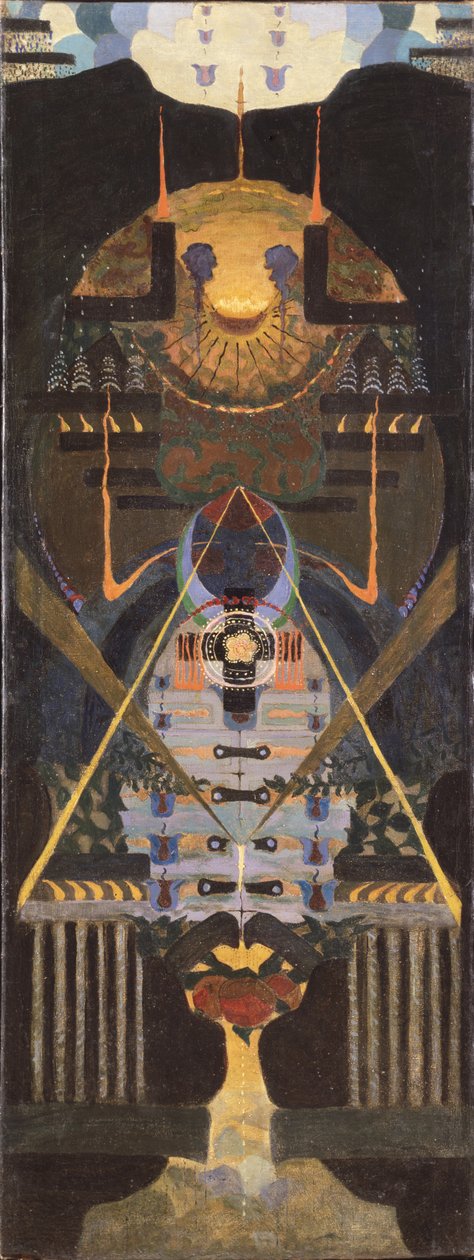
The evolution of music reflects societal changes, moving from religious devotion to mass consumption, leading to a decline in skill and depth. Modern music often favors simplicity over technical prowess, making relatable themes more popular than complex compositions. This trend has raised questions about artistic merit and the erosion of quality in musical expression.
-
Debunking Holocaust Denial: It Did Happen
This article addresses Holocaust denial claims by providing evidence and rebuttals against common misconceptions. The author, a researcher with personal experience and academic knowledge, clarifies crucial points about extermination camps, Nazi documentation, and survivor testimonies, aiming to educate those unsure about the historical truth of the Holocaust.
-
Sustainability
Introduction With the emergence of the industrial revolution humanity has, in turn, until more recent times disassociated itself with its naturalistic origins, and so had the field of sociology. The prominence of sociological concern in environmental and sustainability issues began to see rapid expansion during the 1970’s. Before that, the social science theories on human…
-
The Development of Assemblage Theories: Advancements, application and its ability to analyse
Introduction Assemblage Theory is a concept that analyses the construction of both the physical (environments, societies, nations) and the non-physical (morals, culture, histories, social) as a process of assembling assemblages (DeLanda, 2016). The theory has seen multiple renditions throughout academia, such as Actor-Network Theory, which focuses more on socio-technological constructions, the human and non-human assemblages…
-
Postmodernity and Progressive Liberalism

Postmodernity and Progressive Liberalism Metanarratives This is the first in an ongoing series of analyses and critiques on societal structures and politics, I thought I would start with the most current, relevant, and ideologically popular first. Jean-François Lyotard famously described postmodernity as an “incredulity toward metanarratives.” This means that postmodernity has scrapped old metanarratives (In…
-
Is Absolutism the Key to a Strong and Undivided Government?
A Philosophical Discussion by A.M. Kent Introduction Absolutism is a term used to describe the total sovereignty of a singular entity, be it a monarch or government over the collective people (Fichter, 1939). The discussion and critical analysis of this essay will first look at the history of enlightenment thinkers, most notably Thomas Hobbes, and…
-
Diogenes in The Void

The character in Void Around Sunlight is a serial killer reminiscent of Diogenes the Cynic, embodying an anti-philosophical stance amidst chaos. While critiquing societal norms and engaging in shamelessness, he embraces destruction as a warped virtue. His empathy lies in others’ inability to appreciate this self-dissolution, contrasting traditional moral frameworks.
-
The Consciousness Society: Motivations
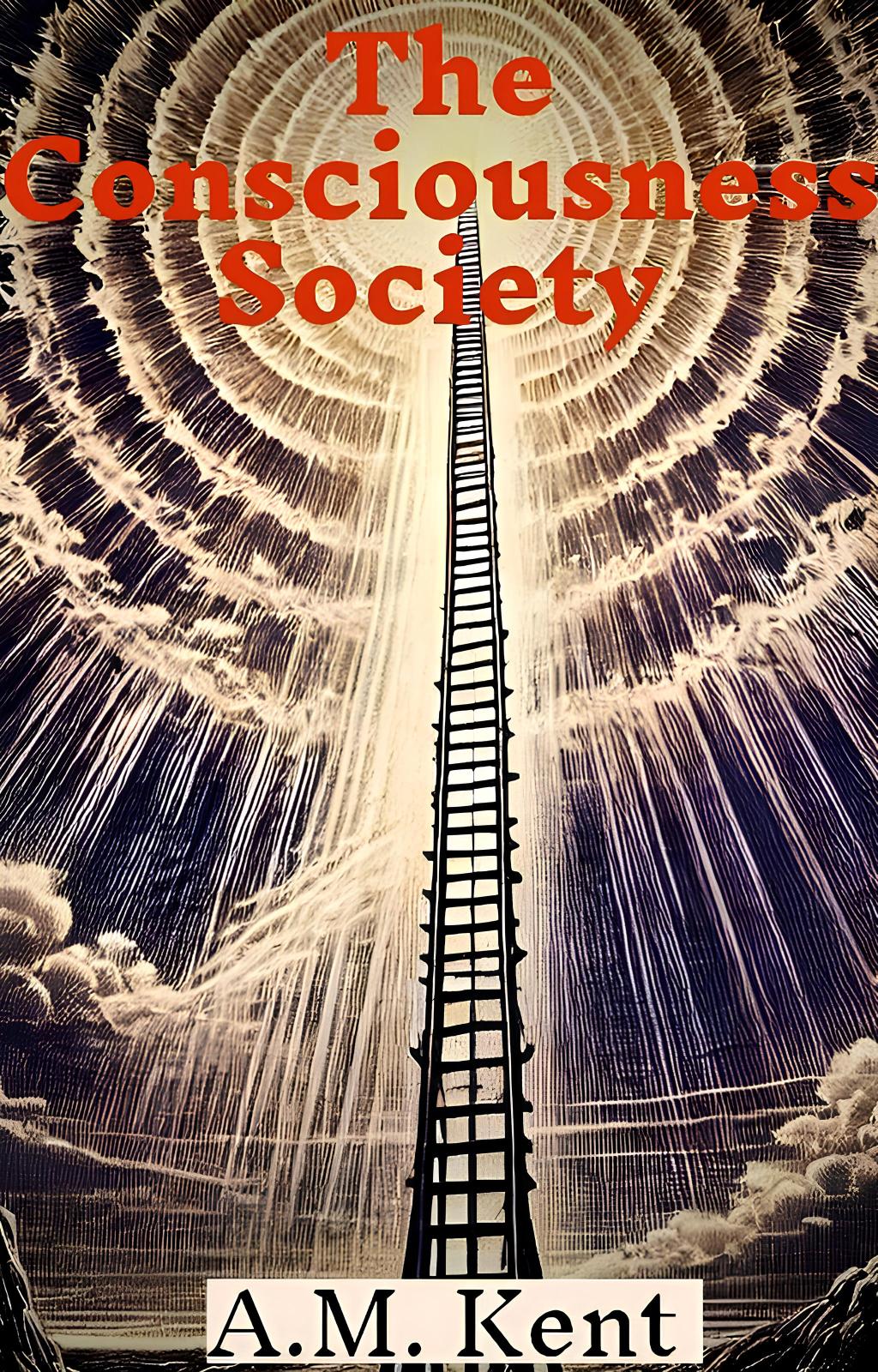
The author reflects on the motivations behind writing their book, highlighting personal experiences with grief, particularly through the character Dr. Sally Clark, who copes with loss. Additionally, they explore the concept of abstract evil in historical contexts, emphasizing the shocking nature of human atrocities. The book aims to provoke thought without being excessively dark.
 AMKent books