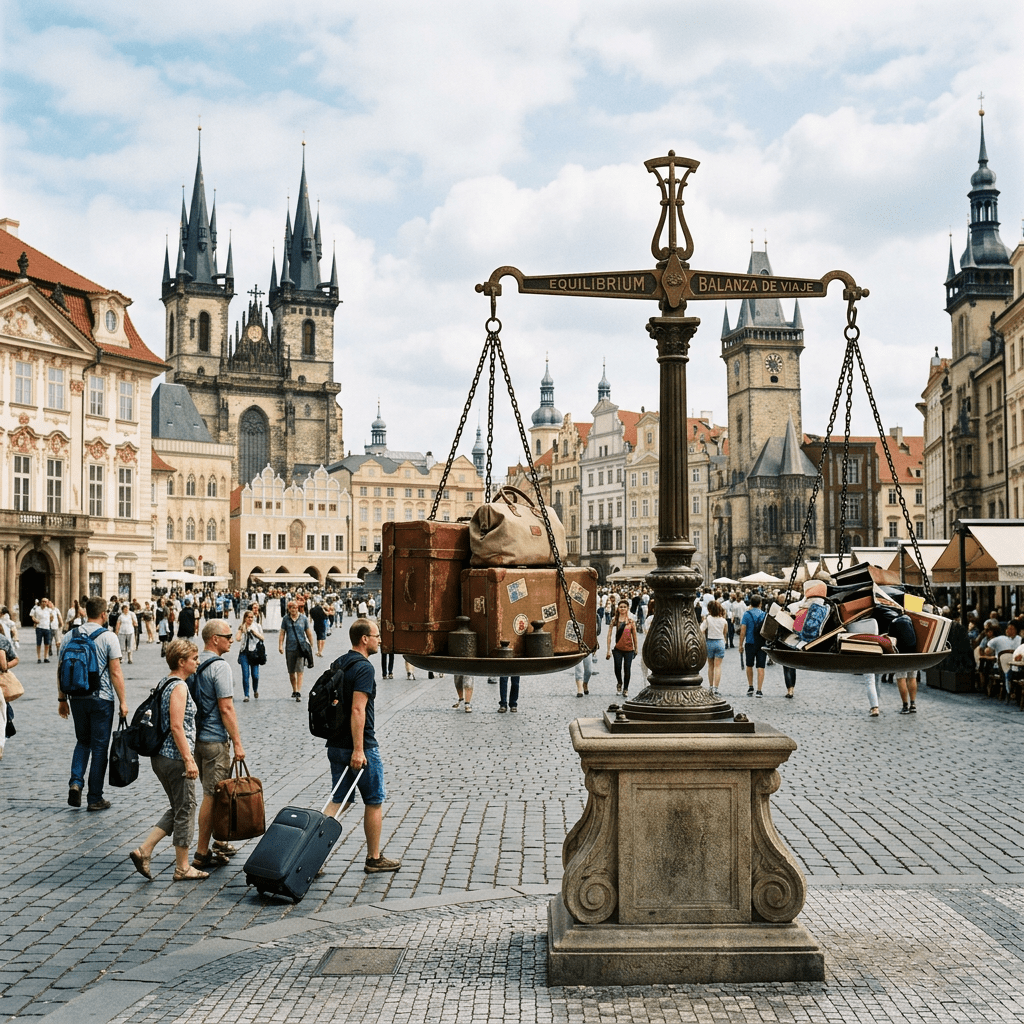
A highly liberal immigration model can unintentionally encourage the formation of self-contained ethnic communities that mirror the cohesion and exclusivity of ethno-nationalism.
One of the greatest ironies of extreme liberalism is that it may unintentionally produce outcomes that resemble the very forms of group nationalism it seeks to overcome. Liberal ideologies often assume that increasing diversity, migration, and cultural pluralism will gradually weaken tribal loyalties and encourage a shared civic identity. Under this vision, individuals become citizens first, with ethnic, religious, and cultural differences occupying a secondary role. The nation-state evolves into a neutral framework through which diverse populations coexist peacefully.
Yet, reality is more complicated and less utopian. Human beings possess a natural tendency toward collective identity. People frequently organize themselves around shared language, religion, culture, history, and ancestry. When large-scale migration occurs, newcomers do not necessarily dissolve into a universal civic culture. Instead, they often form communities that preserve and reinforce their existing identities. Over time, these communities may develop their own political interests, institutions, and social networks. Whilst this is initially uncontroversial, demographic change can alter the political and cultural priorities of a society. As communities grow in size and influence, their values, institutions, and social expectations inevitably acquire greater political weight. The irony here, is that this is often grounded in religion and their original countries societal models, which is entirely against liberalism. This particular brand of liberalism is often labelled as ‘suicidal empathy’.
Additionally, liberal multiculturalism can produce a form of inverted ethno-nationalism. The dominant national identity is encouraged to become increasingly civic, inclusive, and self-critical, while minority groups are often encouraged to maintain strong cultural cohesion and collective consciousness. The result is an asymmetry in which one group is expected to think less tribally while others continue to organize around communal interests. This does not mean that immigration or multiculturalism are inherently flawed. Rather, it highlights a tension within liberal theory itself. If humans naturally seek belonging through collective identities, then any political system that ignores this tendency may generate unintended consequences.


Leave a Reply