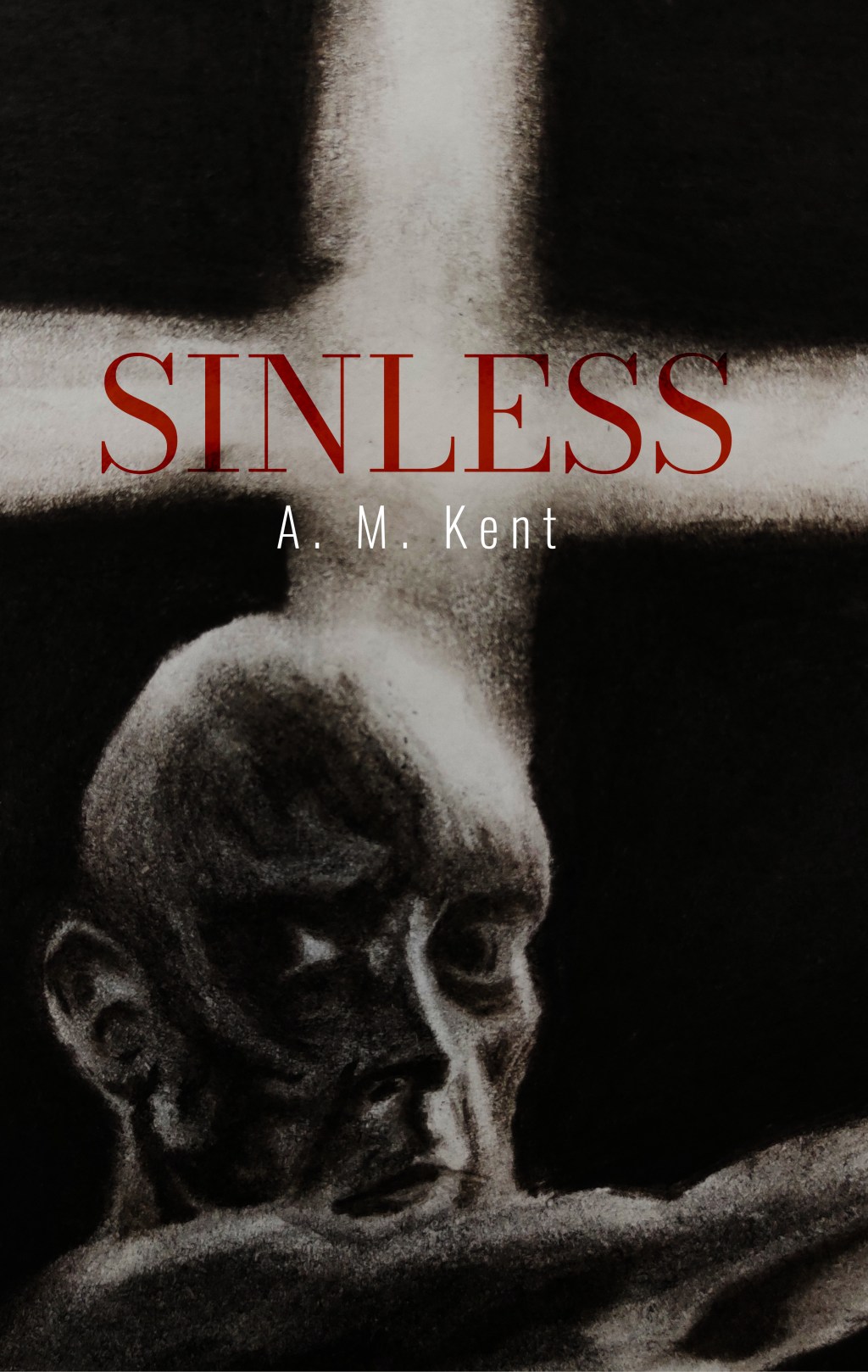
This short discussion on the philosophy around the book ‘Sinless’ will contain spoilers, and if you wish to avoid them perhaps read the book first and come back to this blog post later. The town is not dictated by ideas such as John Locke and the social contract or legally written laws. Instead, it is dictated by a strange being that claims divinity, upon having direct communication with the creator. The being replaces traditional societal constructs of deviancy and crime (such as Durkheim’s functionalism), with an annual sin counter. The sin counter, if exceeded, stalls the amount of resources the town will receive that year. What exactly is a sin is left intentionally vague throughout the book, I did this in order to advert ideas of traditional social constructs surrounding evil and morality. For example, there are several acts of cannibalism throughout the book, however no one is ever punished for it, in fact Sinless even partakes in such deeds. This was in reference to Christian traditions of metaphorically eating the body of Christ and drinking the wine (or blood) during communion. This very idea of what constitutes a holy act of cannibalism (be it metaphorical in reality) is down to the definition of who Christ was. Sinless, however, posits that anyone can be Christ, this is the very idea behind becoming sinless.
Sinless mentions during his sermon the idea of sin being a weight, that is has a value. This was a reference to reality and prison sentencing being in numerical value (years), due to the weight of the sin, e.g. to murder is a life sentence. It is also mentioned that evil and love are merely shades of the same colour. This means many things, some incredibly dark (too dark for this blog!). Evil acts are often motivated by a deformed interpretation of love, think of famous serial killer couples, or family annihilators. Additionally, the new mayor laughs at the idea of mainland ideologies of evil, referencing the sociology of evil. Much of this speech by the mayor is influenced by Durkheim and his functionalist theory that society needs a healthy amount of evil, too much evil and it is lawless, too little and there is no freedom. This is further paralleled by a dissection of heaven, in which if we are truly without sin (sinless) in heaven, then we are without free will, as sin is a product of free will. The intention of the book, it is worth noting, is not to discredit Christian philosophy, but merely use its influential foundations on morality and divinity as a catalyst to explore.
Finally, the notion of chaos, or anarchism is brought up several times. The first being Joshua’s monologue on the famous philosopher of the town, who tried to bring order to chaos thus turning against the chaotic nature of quantum physics and the law of thermodynamics. The punishment was a removal of limbs, the reason for this punishment is not explicitly explained, however it is a punishment seen again through the book. I will not explore the topic too deeply in this blog. However, for the philosopher, the idea behind his limb removal was that the minds ability to control the body brings a sense of order to ones phenomenology. To remove that, was to encourage a return to chaos, as the mind must now adjust to a neutered mobility and embrace itself alone. This logic is noticeably flawed, as some may argue that meditation is the removal of physicality and in as such brings upon more order to the chaotic thoughts of the mind. The punishments logic within the book are a warped sense of justice, they are served with bias and vague reasoning by either the current mayor or the beast Sinless.
There is a lot to discuss within this book, and I have barely mentioned the symbolism or the abstract ending, along with the sea angel. I did not want to make this blog a novel within itself however, I will discuss this story again especially if this blog gains some attention. If you have any questions regarding the book feel free to contact me, all my details are in the home page and I am happy to discuss any aspects of the story. Thank you for reading this blog and I hope it has lead to some useful thoughts, or at least killed some time, happy reading !
 AMKent books
Leave a comment